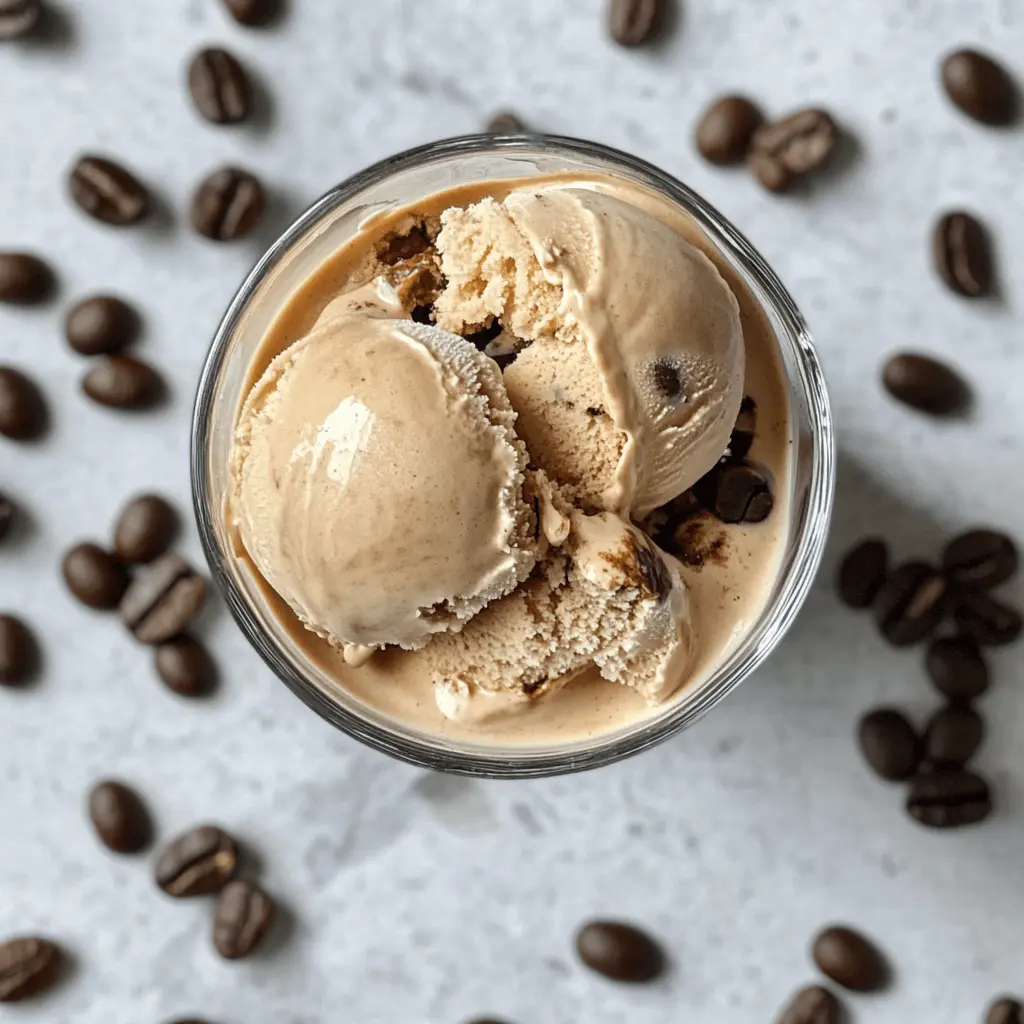
Mastering Homemade Espresso Ice Cream: Your Guide to Unforgettable Creaminess and Flavor
There's something uniquely satisfying about a truly authentic coffee-flavored dessert. For many, a rich, smooth, and deeply coffee-infused ice cream stands at the pinnacle of such treats. Forget those weak, watered-down imitations; we're talking about an espresso ice cream that tastes exactly like a frozen, airy cup of your favorite café con leche. Creating this decadent delight at home is not only achievable but, with the right approach, remarkably simple. This comprehensive guide will walk you through crafting an easy espresso ice cream recipe that delivers on both intense flavor and a lusciously smooth, creamy texture every time.
While the joy of homemade ice cream is undeniable, achieving that perfect, scoopable consistency can sometimes feel like a culinary tightrope walk. Especially when working with real brewed espresso, the extra water content can pose a challenge, potentially leading to an icier result straight from the freezer. But fear not! We'll delve into the science and practical tips to ensure your homemade espresso ice cream is always a triumph, leaving you with a dessert that rivals any gourmet scoop shop.
The Quest for Authentic Espresso Flavor: No Room for Weakness
The foundation of exceptional espresso ice cream is, unsurprisingly, exceptional espresso. Many homemade coffee ice cream attempts fall short because they fail to capture the true depth and bitterness of coffee, often tasting artificial or simply bland. Our goal here is to create an authentic espresso ice cream: real coffee flavor, egg-free, that truly sings with robust coffee notes.
Why Brewed Espresso Reigns Supreme
Through numerous trials, it's clear that simply steeping coffee grounds or beans in milk doesn't yield the desired intensity. The most profound and true-to-life coffee flavor comes from incorporating *brewed espresso* directly into your ice cream base. The act of brewing extracts the complex oils and soluble solids that give espresso its signature character, delivering a depth that steeped beans simply can't match. To amplify this, the hot espresso plays a crucial role in dissolving the sugar and a touch of salt, ensuring a smooth, consistent sweetness throughout the mix.
The Secret Weapon: Espresso Powder
While brewed espresso provides the backbone, a strategic addition of high-quality instant espresso powder acts as a concentrated flavor booster. This is a game-changer because it allows you to intensify the coffee notes without adding excessive liquid to your base, which, as we'll discuss, can be detrimental to texture. When combined with the brewed espresso, it creates a deliciously rich and unmistakable espresso profile that's anything but watered down. Ensure you choose a finely ground, dark roast instant espresso powder for the best results.
Mastering the Creamy Texture: A Scientific Approach to Scooping Perfection
Ice cream making is often described as a delicate balance of fat, liquid, and temperature, and understanding this trifecta is key to achieving that coveted smooth, creamy consistency. When you introduce real brewed espresso, you inherently add more water to your base, which can lead to larger, undesirable ice crystals if not managed correctly. Here's how to ensure your easy espresso ice cream recipe stays delightfully creamy.
The Role of Fat and Sugar
- Heavy Cream & Whole Milk: These are your heroes for creaminess. Heavy cream, with its high-fat content, contributes to a rich mouthfeel and helps prevent the formation of large ice crystals. Fat molecules interfere with water molecules, making it harder for them to bind together and form solid ice. Whole milk adds further creaminess without being overly dense. For a slightly lighter version, you can substitute some whole milk with half-and-half, but be prepared for a marginally less rich result.
- Sugar: Beyond sweetness, sugar acts as a natural anti-freeze. It lowers the freezing point of the mixture, meaning it stays softer and more scoopable at colder temperatures, inhibiting large ice crystal growth. Granulated sugar is standard, but you can experiment with alternatives like honey or agave syrup, adjusting quantities as they are often sweeter.
The Importance of Churning and Temperature Control
- Pre-Chilling is Paramount: Before churning, your ice cream base must be thoroughly chilled—ideally for at least 2-3 hours, or even overnight. A colder base freezes faster in the ice cream maker, resulting in smaller ice crystals and a smoother texture.
- Churning Dynamics: Make sure your ice cream maker's bowl is *fully frozen* according to the manufacturer's directions (often 12-24 hours). Churning for the right amount of time, typically 20-25 minutes, is critical. This process continuously breaks up ice crystals as they form and incorporates air, creating a light, airy texture. Don't rush it; let the machine do its work until the mixture thickens to a soft-serve consistency.
- The 10-Minute Countertop Trick: This is perhaps the most crucial tip for espresso ice cream specifically. Due to the real espresso's water content, your ice cream might freeze a bit icier or crumbly when taken directly from deep freezer storage. The simple solution? Let your ice cream sit on the countertop at room temperature for about 10 minutes before scooping. This brief rest allows it to soften just enough to become wonderfully smooth and easily scoopable, transforming an icy block into a creamy dream.
- Airtight Storage: Once churned, transfer your ice cream to an airtight container. This prevents freezer burn and minimizes exposure to air, which can lead to more ice crystal formation over time.
Your Easy Espresso Ice Cream Recipe: Step-by-Step Guide
Ready to make your own batch of this delightful dessert? This easy espresso ice cream recipe is simplified and egg-free, focusing on pure, unadulterated coffee flavor and a smooth finish.
Key Ingredients:
- Heavy Cream: 2 cups (for ultimate richness)
- Whole Milk: 1 cup (adds to the creamy body)
- Strong Brewed Espresso: ½ cup (the heart of your coffee flavor)
- Granulated Sugar: ¾ cup (or to taste, provides sweetness and texture aid)
- Instant Espresso Powder: 1-2 tablespoons (flavor booster, adjust to desired intensity)
- Vanilla Extract: 1 teaspoon (enhances overall flavor)
- Pinch of Salt: (balances sweetness and amplifies flavors)
Instructions:
- Prepare Your Base: In a medium bowl, combine the granulated sugar and a pinch of salt. Pour the hot, freshly brewed espresso over the sugar mixture. Stir thoroughly until the sugar and salt are completely dissolved. This hot liquid helps to melt the sugar crystals efficiently.
- Combine & Infuse: Stir in the heavy cream, whole milk, and vanilla extract into the espresso-sugar mixture. Add the instant espresso powder and whisk again until it's fully dissolved and integrated into the liquid. Ensure no lumps remain.
- Chill Thoroughly: Cover the bowl and refrigerate the mixture for at least 2-3 hours, or ideally overnight. The colder the base, the better the churning results will be.
- Churn to Perfection: Pour the chilled mixture into your pre-frozen ice cream maker bowl. Churn according to your machine’s instructions, typically for 20-25 minutes, until it reaches the consistency of soft-serve ice cream.
- Set & Serve: For a soft-serve experience, you can enjoy it immediately. For a firmer, scoopable ice cream, transfer the mixture to an airtight container and freeze for another 2-3 hours.
Troubleshooting & Advanced Tips for the Perfect Scoop
What if my ice cream is still too icy?
Beyond the 10-minute countertop trick, ensure your base was truly well-chilled before churning. You can also consider adding a very small amount (1-2 tablespoons) of alcohol, such as Kahlúa or a coffee liqueur, to your base. Alcohol lowers the freezing point of the mixture even further, helping to prevent large ice crystal formation. However, use sparingly, as too much will prevent the ice cream from freezing properly.
My coffee flavor seems weak.
Ensure your brewed espresso is strong and concentrated. If using an espresso machine, aim for a true espresso shot. If brewing coffee, make it extra strong. Don't be shy with the instant espresso powder – you can always add an extra half or full tablespoon to taste. Quality ingredients make a difference; fresh, dark roast beans will yield the most robust flavor.
Ingredient Substitutions:
- Lighter Option: Replace some heavy cream with half-and-half for a slightly less rich ice cream, but expect a noticeable difference in creaminess.
- Dairy-Free: While the texture will change, you can experiment with full-fat coconut milk or a high-quality almond milk. Be aware these will impart their own subtle flavors.
- Sweetener Alternatives: Honey or agave syrup can replace granulated sugar, but adjust the quantity as they are often sweeter and can have a distinct flavor.
Serving Suggestions:
This espresso ice cream is divine on its own, but also pairs beautifully with a drizzle of chocolate syrup, a sprinkle of chocolate-covered espresso beans, or alongside a slice of warm brownie or fudgy cake. It's also an excellent addition to an affogato, where a hot shot of espresso is poured over a scoop of the cold ice cream.
Creating homemade espresso ice cream that rivals your favorite scoop shop is entirely within reach. By focusing on quality ingredients, understanding the simple science behind fat, liquid, and temperature, and implementing key tips like pre-chilling and the "10-minute rule," you can achieve an intensely flavored, wonderfully smooth, and genuinely creamy dessert. This easy espresso ice cream recipe is not just about making ice cream; it's about perfecting a delightful experience. So, gather your ingredients, fire up your ice cream maker, and prepare to indulge in the ultimate coffee lover's treat!
